
All-in-one AI toolbox for medical documentation, coding, & patient communication
Paste rough clinical or administrative text. River turns it into structured documents, coding support, appeal drafts, patient handouts, medication tables, and treatment plans you can review, edit, and export.
No credit card to start · HIPAA-eligible · You review every word
Clinical documentation
Paste rough clinical notes and get structured documents your team can review, edit, and drop into the medical record.
 MedlinePlus
 PubMed
Coding & reimbursement
Turn payer text and progress notes into coding support and appeal-ready documents.
Patient communication
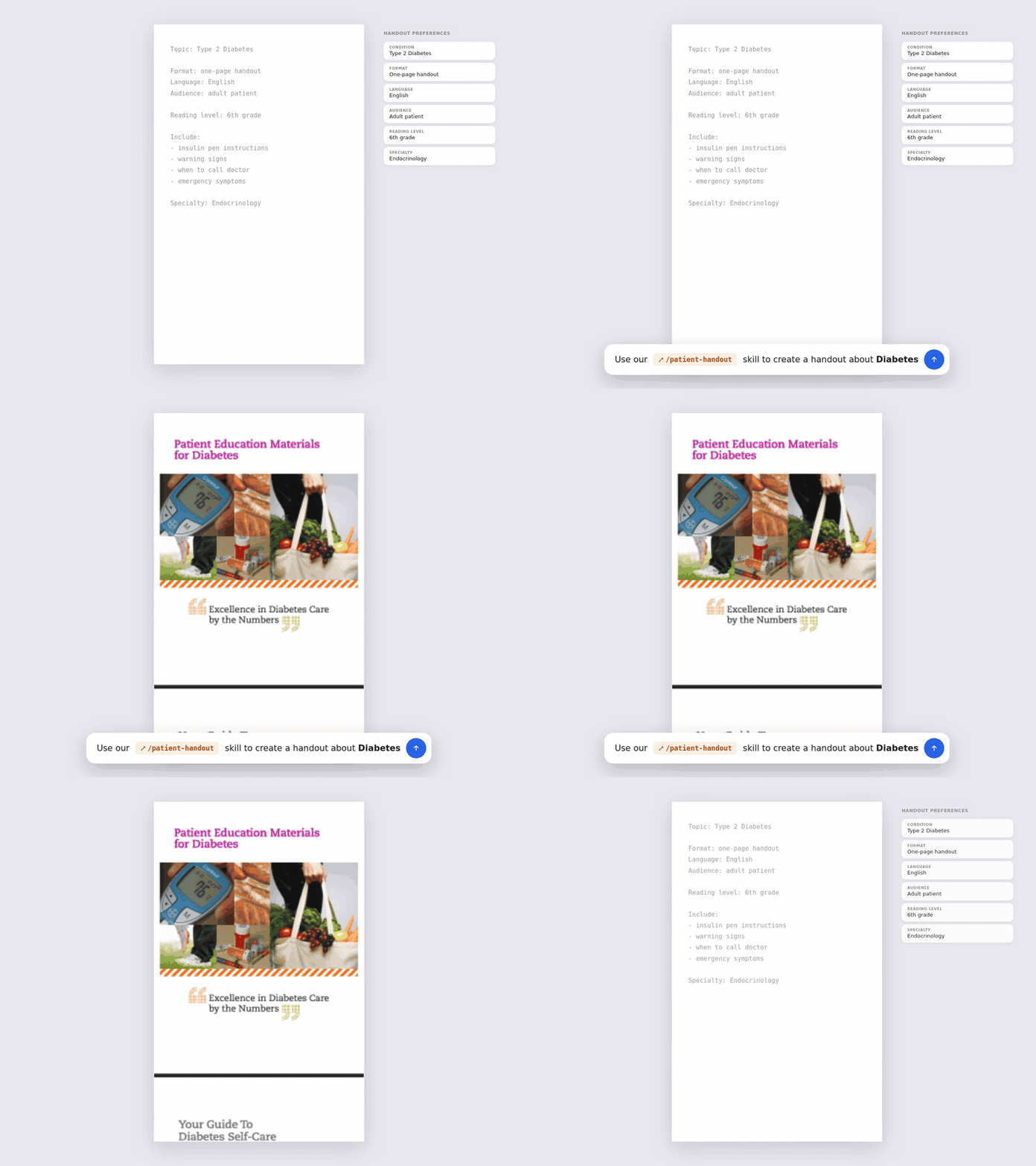
Translate clinical material into plain-language documents patients can understand and use.
Clinical calculators & quick tools
Deterministic utilities that open inside your workspace and can be pre-filled by the AI during a conversation, so you can keep adjusting values while the AI explains its reasoning.
Grounded in authoritative sources
When accuracy matters most, River checks its work against live NIH databases, the same ones physicians, pharmacists, and coders use.
Drug name normalization that standardizes brand and generic names so medication lists stay accurate and consistent.
 ICD-10-CM
Diagnosis code search that looks up ICD-10-CM codes in real time, so coding suggestions reflect the current year's codebook.

Patient health topics. Authoritative NLM summaries cited in patient education handouts and differential diagnosis outputs.

Clinical literature search across 40M+ biomedical citations, so outputs can cite peer-reviewed guidelines and reviews.
 All four services are maintained by the U.S. National Library of Medicine (NLM), part of the National Institutes of Health. River queries them live at run time, with no cached or outdated lookups.
"I'll get home at 8PM and I've still got six charts open. It's not that I don't know what to write, I'm just completely out of gas by the time I sit down to write it. River is EXCELLENT because I configured it on my writing style and area of practice instead of the AI garbage our EHR's AI assistant spits out."
Choose where your tools run
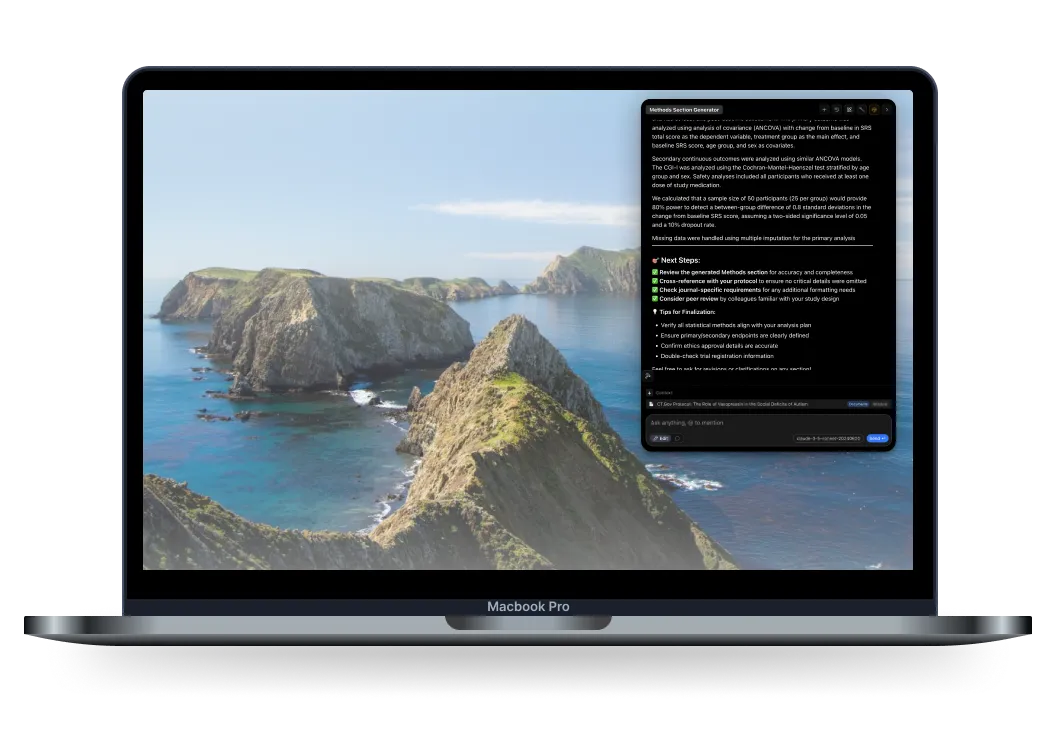
River works in the browser, as a native desktop app, or on dedicated hardware in your clinic. Every option is HIPAA-eligible, and the local options add a layer of data sovereignty that cloud-only tools can't match.
River Cloud
Access your clinical workspace from any browser. Managed infrastructure, automatic updates, zero setup, and HIPAA-eligible by default.
River for Mac & PC
A native desktop app that pairs with local AI models. When running locally, every document you create stays on your machine. No data ever leaves.
River System
A dedicated River server installed in your clinic, hospital, or private cloud. Air-gapped operation is supported, with no outbound internet required.
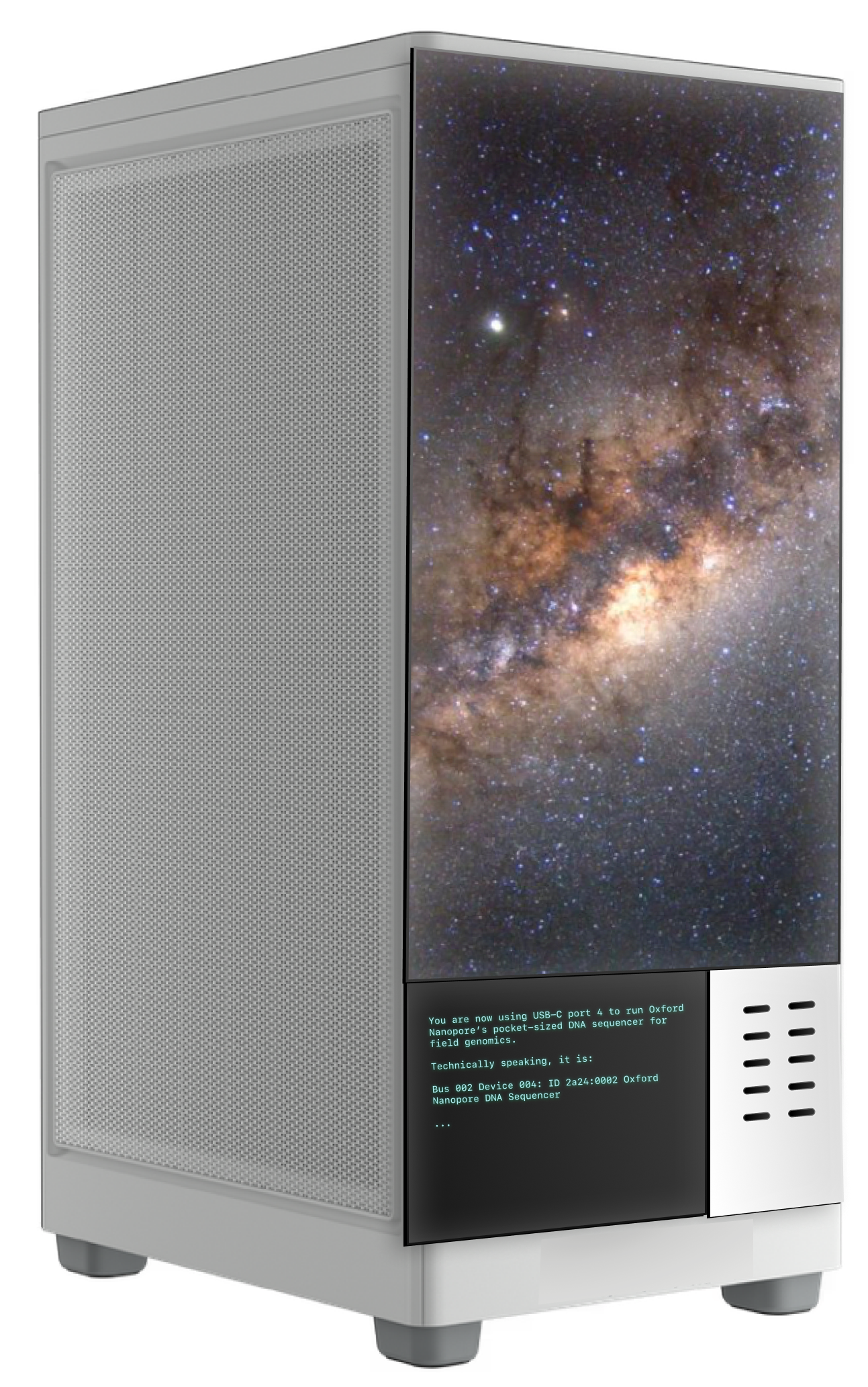
Start on Cloud and move to a local or on-premise deployment at any time. Your workspaces and tool history travel with you.
Frequently asked questions
What are AI medical documentation tools?
They are AI tools that turn rough clinical or administrative input (progress notes, denial letters, medication lists, or a patient topic) into structured documents like discharge summaries, differential diagnoses, ICD-10 coding support, appeal letters, medication tables, treatment plans, and patient handouts. You paste the source material, review the structured output, edit it, and export it.
What are common use cases for clinicians?
Common use cases include reviewing care pathways, synthesizing evidence with citations, reasoning through differentials, drafting prior authorization letters, summarizing patient charts, and creating plain-language explanations for patients.
Are these tools free?
Most tools are free to start with no credit card. A few advanced options, such as deep reference search in the Differential Diagnosis Generator (which cites MedlinePlus and PubMed sources), require a paid plan. You can begin with the free tools and add paid features when you need them.
Do these tools replace my EHR?
No. River does not replace your system of record. It produces review-ready documents and coding support that you copy into your EHR or export. Each document lives in a workspace alongside your other materials.
Can I control the style and format of the output?
Yes. Tools like the Discharge Summary Generator let you choose a writing style, upload sample documents to match, and configure length. The Patient Education Handout Generator lets you pick format, aesthetics, and add your own guidance.
How does River handle PHI?
River is HIPAA-eligible. Your workspace is private to your account, your inputs are not used to train models, and on-prem deployment is available for teams that require it. Always follow your organization’s policies before entering protected health information.
Is this HIPAA compliant?
Many clinical tasks don’t require PHI, but if you need to work with protected health information, HIPAA compliance is available through a Business Associate Agreement (BAA). BAA support is available for clinicians who are authorized to sign on behalf of their account.
Which tools are available today?
All tools are live today: Discharge Summary Generator, Differential Diagnosis Generator, Medication List Table, Treatment Plan + Goals, ICD-10 Documentation Assistant, Denial / EOB Decoder, Prior Authorization Appeal, Appeal Letter Generator, Prior Auth / Letter of Medical Necessity, and Patient Education Handout. The Physician Toolbox also includes five built-in quick-tool widgets: CrCl Calculator, ICD-10 Lookup & Specificity Checker, E/M Level Calculator, Medication Interaction & Duplicate-Therapy Checker, and Denial Code Lookup.
What are the quick-tool widgets?
The Physician Toolbox includes five deterministic utility widgets that open inside your workspace: a Creatinine Clearance calculator (Cockcroft-Gault + CKD-EPI), an ICD-10 lookup with specificity analysis, a 2021 AMA E/M level calculator, a medication interaction and duplicate-therapy checker (powered by RxClass and FDA drug labels), and a denial/remark-code lookup with plain-language guidance. The AI can open and pre-fill any of these widgets mid-conversation so you can review and adjust the inputs yourself.
Start with one document
Pick a tool, paste your notes, and get a chart-ready draft in minutes. Free to start, no credit card required.
Get started now