
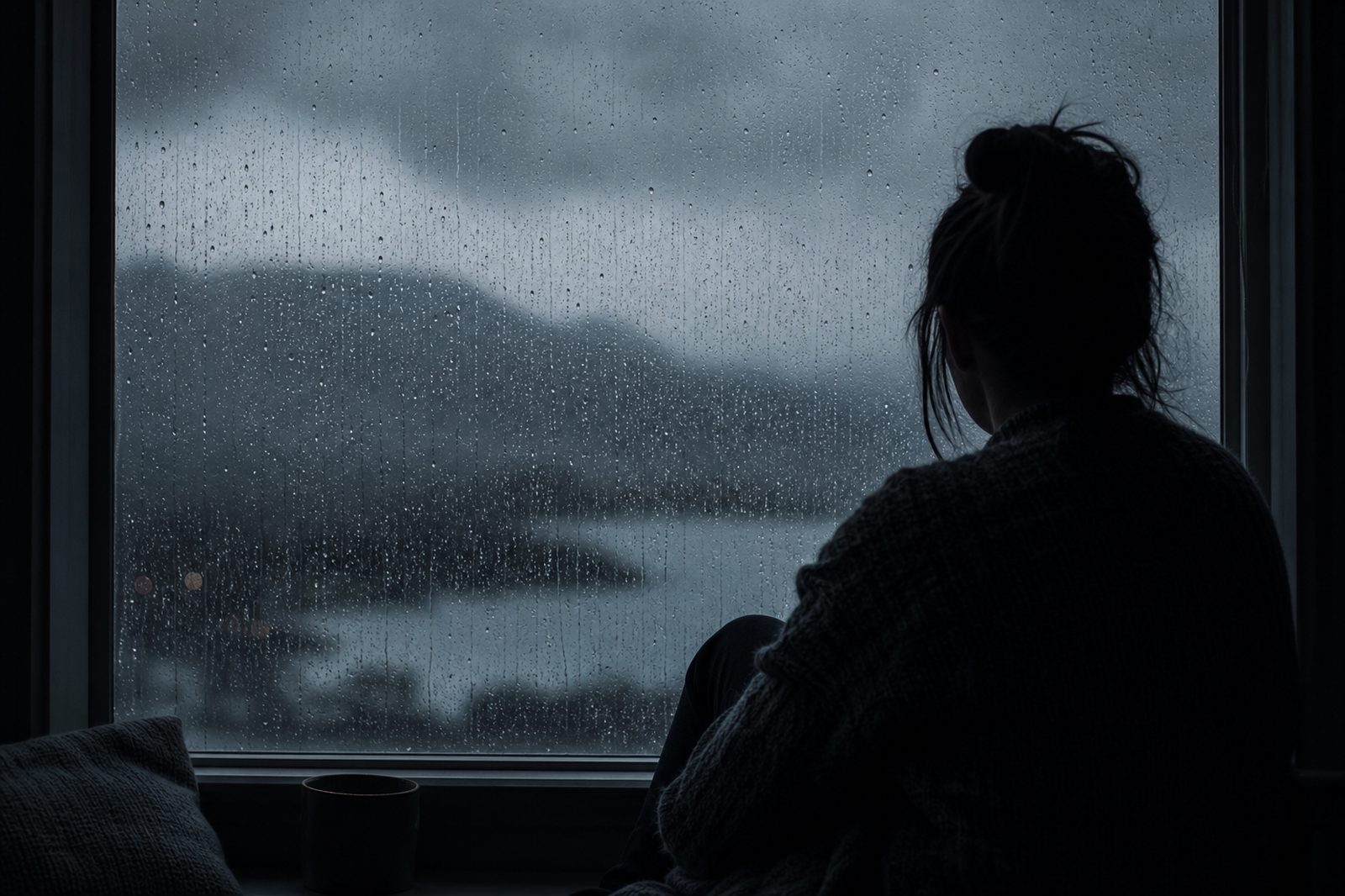
Your character needs to cry. Maybe they just lost someone. Maybe they're overwhelmed after holding everything together for too long. Maybe it's relief after the worst is over, or rage they can't express any other way.
But you're stuck on the page. You type "tears fell down her face" and delete it. That's not right. Too clean. Too composed. You try "she burst into tears" and that's not it either. Too sudden. Too simple.
Real crying is messy, complicated, and different every time. A single tear rolling dramatically down a cheek is movie shorthand, not how emotional breakdowns actually work. But full ugly crying for every emotional moment is exhausting and loses impact.
The craft is knowing which type of crying fits your moment, your character, and what you're trying to accomplish. Then writing it in a way that feels authentic instead of melodramatic.
Why Most Crying Scenes Fall Flat#
Writers treat crying as a single switch. Character is fine, then crying, then fine again. But that's not how it works.
Real emotional breakdown has texture. There's the moment you feel it coming. The fight to hold it back or the choice to let go. The peak. The aftermath where you're wrung out and shaky.
Most importantly, crying looks and feels different depending on what causes it. Grief crying isn't the same as frustration crying isn't the same as relief crying. Your character shouldn't cry the same way every time.
When crying scenes work, they work because they're earned. The emotional pressure has been building. When it breaks, readers feel it too. When they don't work, it's usually because the writer is trying to create emotion rather than releasing emotion that's already there.
The Spectrum of Crying: Matching Type to Moment#
Not every emotional moment deserves the same intensity of response. Calibrate the type of crying to what's happening and who your character is.
Silent Tears (Fighting It)#
This is crying while trying desperately not to cry. Eyes sting and fill. Vision blurs. One tear escapes, then another. Character swipes them away quickly, hoping no one notices.
Breathing stays controlled, but there's tightness in the throat. Maybe character turns away, looks up at the ceiling, bites their lip hard. They're using every ounce of control to keep this quiet and contained.
This works for stoic characters, public settings, or moments when character can't afford to fall apart. The emotional impact comes from what they're not letting themselves do.
Physical tells: Eyes shining with unshed tears. Jaw clenched. Blinking rapidly. Voice thick when they try to speak. Hands gripping something tight.
Quiet Weeping (Letting Go Gently)#
Tears flow freely but there's still some control. Soft crying sounds. Sniffling. Breath hitches occasionally but doesn't become gasping.
This often happens when character is alone or with someone they trust completely. They're sad and they're letting themselves feel it, but not collapsing into it.
Good for grief that's been processed some already, gentle sadness, or situations where full breakdown isn't possible but some release is needed.
Physical tells: Tears streaming steadily. Wet face. Quiet crying sounds. Wiping eyes and nose. Voice breaks when speaking. Shoulders might shake slightly.
Sobbing (Loss of Control)#
Can't stop. Crying takes over breathing. Gasping between sobs. Body shakes. Can't speak clearly through it. This is emotional overload.
Usually comes after trying to hold it together and the dam finally breaks. Or immediate response to devastating news. The character isn't choosing this, it's happening to them.
Works for major emotional releases, devastating losses, or culmination of held-back feelings. Can't be used too often or it loses impact.
Physical tells: Gasping, hiccupping breaths. Can't catch breath. Shaking. Doubled over. Can't talk. Eyes squeeze shut. Clutching at themselves or someone else.
Ugly Crying (Full Breakdown)#
This is sobbing plus all the messy parts. Face goes red and blotchy. Nose runs. Drooling slightly. Making sounds that aren't pretty. Can't see through tears. Completely past caring what they look like.
This is saved for absolute emotional destruction. Character is beyond pride, beyond trying to maintain any composure. Often happens in private or with someone who's already seen them at their worst.
Powerful but can't be overused. If your character ugly cries in every emotional scene, it stops meaning anything.
Physical tells: Snotty. Blotchy face. Swollen eyes. Gasping and hiccupping. Making ugly sounds. Can't function. Completely wrecked.
Angry Tears (Frustration)#
Crying while furious about crying. Hot tears of rage. Character might be yelling through tears, or crying while trying to articulate anger, which makes them more frustrated which makes them cry harder.
The crying undermines what they're trying to express, which creates a specific kind of helpless fury. Often includes trying to wipe tears away violently or yelling "I'm not crying!" while obviously crying.
Great for characters who hate showing vulnerability or when sadness and rage are tangled together.
Physical tells: Face flushed red. Fists clenched. Aggressive body language while tears fall. Voice shaking with anger and crying. Rough swipes at face.
Relief Tears (Pressure Release)#
Everything's okay and suddenly character is crying about it. This comes after sustained tension or fear. Once the danger passes or the good news comes, the emotional pressure has to go somewhere.
Often surprises the character. They thought they were fine and suddenly they're crying and can't stop. Usually includes laughing through tears or apologizing for crying when everything's actually okay.
Works beautifully after high-stakes sequences or when the thing they were terrified of doesn't happen.
Physical tells: Tears while smiling or laughing. Shaky. Crying and saying "I'm okay" or "I'm fine." Can't quite catch breath but not sobbing. Release of physical tension.
Happy Tears (Joy Overflow)#
Crying because emotion is too big to contain any other way. Weddings, births, reunions, victories. The feeling is so big it spills out as tears even though nothing's wrong.
Usually softer than grief crying. Face shows joy even while tears fall. Often includes smiling, laughing, maybe covering mouth in surprise at own reaction.
Physical tells: Tears while smiling. Laughing. Shaking head in disbelief. Hand over heart or mouth. Reaching for others. Bright eyes despite tears.
Crafting emotional character moments?
River's AI helps you write authentic emotional scenes with the right physical details and psychological depth for your character's breakdown.
Write Your SceneBuild the Moment: Warning Signs Before the Breakdown#
Don't go from zero to crying in one sentence. Let readers feel it building.
First Signs#
Something shifts. Throat gets tight. Eyes start to sting or burn. Vision goes slightly blurry. Character feels the pressure building behind their eyes.
They might try to swallow it down. Blink hard. Look away. Take a breath. These are the moments where they're trying to keep control.
The Fight#
If your character tries to hold it back, show that effort. What do they do? Bite their lip. Clench their jaw. Focus on something else. Dig nails into palms. Force themselves to breathe slowly.
This fight is often more powerful than the crying itself. Readers root for characters trying to hold it together even as they know the breakdown is coming.
The Break#
Something tips them over. Maybe just one more second of pressure. Maybe someone says exactly the wrong (or right) thing. Maybe they're just too tired to fight anymore.
This is the moment control fails. First tears fall. Or first sob breaks through. Or they give up and let go. This shift from fighting to surrendering matters.
Physical Details That Feel Real#
Crying is a full-body experience. Don't just describe tears falling.
What Happens to the Face#
Face crumples. Mouth twists. Forehead wrinkles. Eyes squeeze shut or go wide and swimming. Jaw trembles. Nose wrinkles.
For ugly crying: face goes red, then blotchy. Eyes swell. Nose runs. Lips get puffy. They look wrecked and they know it.
Skip describing the tears themselves much. "Tears fell" is fine. You don't need to trace the path of every drop down their cheek.
What Happens to Breathing#
This is where crying gets physical. Breath catches. Comes in gasps. Hiccupping. Can't quite inhale fully. Hyperventilating if it's bad enough.
Between sobs, trying to catch breath. That awful moment where you can't breathe in properly. The automatic gasping.
What Happens to the Voice#
If character tries to speak while crying, their voice changes. Goes thick. Breaks. Comes out choked. Higher pitched. Barely understandable.
They might try to speak and can't. Or words come out broken between sobs. Or they can only manage single words.
What Happens to the Body#
Shoulders shake. Body curls in on itself. Hands come up to cover face. Or clutch at something. Or grab onto someone.
Might double over. Sink down. Knees give out if it's bad enough. Whole body trembles.
After: wiped out. Heavy. Exhausted like they ran a marathon. Headache building. Eyes hurt. Face feels tight and swollen.
Character Personality Shapes How They Cry#
Not every character cries the same way. How they handle emotional breakdown should reflect who they are.
The Stoic Character#
When they finally break, it's devastating because it's rare. They fight it hard. Probably cry alone if they can manage it. Or turn away, hide their face, try to get control back immediately.
Even their breakdown might be relatively contained. Or when it's not, when they truly fall apart, the contrast with their normal control makes it more powerful.
The Emotional Character#
They cry more readily, which means you need to vary the intensity. Can't be full breakdown every time or it's exhausting. They might have quiet tears often, but save the big breakdowns for truly devastating moments.
They're probably less embarrassed about crying. More willing to cry in front of others. Might even use it to process emotions.
The Character Who Hates Crying#
Crying makes them angry. At themselves, at the situation, at whoever's witnessing it. They might apologize aggressively. Or swipe tears away roughly. Or get defensive.
"I'm not crying" while clearly crying. "This is stupid" while still crying. The anger at their own emotional response adds a layer to the scene.
The Character Who's Been Holding It Together#
They've been strong for everyone else. Handled the crisis. Stayed calm. And now, finally, they can fall apart.
This breakdown often surprises them. They thought they were fine. Suddenly they're not. Can't stop. Everything they've been holding back comes out at once.
Context and Witnesses Change Everything#
Who sees this breakdown matters as much as the breakdown itself.
Crying Alone#
Character can let go completely. No one to maintain composure for. This is often when the ugliest, most honest crying happens.
Focus on the physical experience and internal thoughts. What are they thinking while falling apart? Relief that no one can see? Loneliness? Giving themselves permission to feel it?
Crying With a Love Interest#
Complicated. Do they want to be seen like this? Are they embarrassed? Does letting someone see them cry create intimacy or mortification?
The love interest's response matters hugely. Holding them. Giving space. Getting tissues. Saying the right or wrong thing. This moment reveals relationship dynamics.
Crying in Public#
Maximum humiliation for most characters. Trying desperately to stop. Awareness of strangers watching. Looking for escape or privacy.
Some characters might not care. But for those who do, the social embarrassment adds another layer of distress on top of whatever made them cry.
Crying in Front of Someone They Don't Want to Be Vulnerable With#
Enemy. Rival. Authority figure. Someone they're trying to impress. The crying is bad enough, but having this specific person see it is worse.
Character might try harder to stop, which makes it worse. Or be furious at their own lack of control. The witness's reaction (disgust, smugness, unexpected kindness) can shift dynamics.
Common Mistakes That Make Crying Scenes Feel Fake#
These tells scream "amateur hour" or just pull readers out of the moment.
The Single Perfect Tear#
One crystalline tear rolls cinematically down a porcelain cheek. This is movie shorthand, not how humans actually cry. It can work for the very first sign of tears, but don't stop there.
Crying That Doesn't Affect Appearance#
Character has been sobbing and two sentences later their eyes are clear and they look fine. No. Crying makes you look like you've been crying. Red eyes, puffy face, splotchy skin. It doesn't disappear instantly.
Crying Without Physical Impact#
Tears fall but breathing stays normal, voice is clear, body language unchanged. Crying affects your whole body. Show that.
The Same Crying Every Time#
Character cries identically in every emotional scene. Vary it. Different triggers create different responses. Build their emotional history across the book.
Unearned Crying#
Trying to make readers feel something by having a character cry when the emotional setup isn't there. We need to understand and feel the weight before the breakdown, or it rings hollow.
No Aftermath#
Character finishes crying and immediately moves on like it didn't happen. Real crying leaves you exhausted, shaky, headachy, emotionally wrung out. Acknowledge that.
Writing deep emotional moments?
River's AI helps you craft character breakdowns with authentic physical details, emotional complexity, and the right intensity for your story's moment.
Generate Emotional SceneThe Aftermath: What Happens Next#
The scene doesn't end when the tears stop. The aftermath is where you land the emotional beat.
Physical State#
Character is wiped out. Face feels tight and swollen. Eyes hurt. Headache might be starting. Exhausted like they just ran miles. Thirsty. Shaky.
Voice might still be rough. Breathing is finally steady but they feel hollowed out. Maybe hiccupping occasionally still.
Emotional State#
How do they feel about what just happened? Relief at the release? Embarrassment about losing control? Vulnerability? Emptiness? Lighter?
This varies by character personality and why they were crying. Someone who fights showing emotion might be humiliated. Someone who needed the release might feel better despite looking wrecked.
Social Dynamics#
If someone witnessed it, how does that change things between them? Intimacy created? Awkwardness? New understanding? Shifted power dynamics?
What does character say? Apologize? Make a joke? Avoid eye contact? Thank whoever helped? Pretend it didn't happen?
Practical Matters#
Cleaning up. Washing face. Getting tissues. Trying to make swollen eyes less obvious. These small realistic details ground the scene.
Deciding what happens next. Can they return to what they were doing? Do they need time alone? Are they too wrecked to function?
Genre Considerations#
How you handle crying shifts slightly across genres.
Romance#
Crying scenes often create intimacy. Being comforted while crying. Seeing your love interest cry and knowing they trust you with that. Use physical closeness and tenderness.
Can skew slightly prettier than totally realistic (less snot, basically) while still feeling authentic.
Literary Fiction#
You can go deeper into the psychology and metaphor. What does this breakdown represent? What's being released beyond just this moment?
Can be more internal, philosophical. But still needs grounding in physical reality.
Thriller/Mystery#
Crying is usually weakness the character can't afford. Quick, private breakdowns. Or the moment when stress becomes too much. Keep it sharp and don't linger.
Fantasy/Sci-Fi#
Human characters cry like humans. But consider: do other species cry? Do they understand human tears? Cultural differences around showing emotion can add layers.
Making It Feel Earned#
The best crying scenes work because readers understand exactly why this moment broke the character.
You've built the pressure. Shown them holding it together. Made clear what they're dealing with. When they finally break, we've been waiting for it. We might have been holding our breath hoping they'd let themselves feel it.
If you're writing a crying scene and it feels manipulative or melodramatic, the problem probably isn't the crying itself. It's that the emotional foundation isn't solid enough. Go back. Build the stakes. Show the pressure accumulating. Make us understand what this costs.
Then, when your character falls apart, make it messy and real and specific to who they are. Skip the single perfect tear. Let them be snotty and gasping and wrecked if that's what the moment needs. Let them fight it if that's who they are. Let them surrender to it if they've been holding back too long.
Crying isn't one size fits all. It's as varied as the emotions that cause it and the people experiencing it. Write it that way.